What a grilling from Jon Snow taught me about handling the media
Five lessons from an accountability interview on Channel 4 News in 2007, and why a dummy run with a…
I think this is one of the hardest policy sells in British politics, for a number of reasons. And while it seems the talk has gone quiet in recent months, it’s not gone away as an idea.
Andy Burnham wouldn't rule it out on his way into Number 10, but it hasn't made his agenda so far. The Greens, who made taxing billionaires a flagship issue, have had a bruising few weeks and lost momentum.
For context, my former Propeller colleague Edward Bell and I put in a joint response to a Green Party advert seeking a PR agency to run its wealth tax campaign.
We didn't expect to be considered, for a number of reasons I won’t go into here, so it’s no surprise we didn’t get to see the actual brief.
We put ourselves forward as outsiders, simply because it struck us as a fascinating communications challenge. Had we been invited to pitch, here’s how we’d have approached it.
I don’t think any wealth tax advocates have yet put forward a compelling reason for doing it.
Sometimes the argument is ideological i.e. “those with the broadest shoulders should pay more” - and sometimes rational “we need the money” but there doesn’t seem to be a compelling case for both. Usually that’s where difficult trade-offs lie.
Labour’s decision to put VAT on private schools is an example of an ideological policy that raised very little for the public purse (just over £1bn net in the short term, depending on whose projections you believe). That’s fair enough on principle if you want to live your values - but it was positioned in rational terms as a revenue-raising move. This didn’t wash, and cost the party greatly in reputational capital.
This isn’t an attack on the ideology of the liberal left. The same could be said for polarising ideas on the reformist right, such as post-Brexit trade policy or immigration.
My point is that you shouldn’t do something on points of principle and then try to post-rationalise with spurious analysis. It attracts headlines, but doesn’t wash. If you’re going to do something, and it’s going to hurt, better to own it.
This isn’t about column inches, impressions, or ‘sentiment’. What the media thinks and says only matters in terms of how they influence the people who matter.
In the real world, the Greens are a fringe party that isn't getting into power, so what is a realistic goal of PR in that context? What’s the real-world outcome… a question forced at PMQs, a White Paper, a motion passed, a specific blocker removed?
Specify that. Then the strategy and tactics build back from there.
For the Greens’ Wealth Tax, it may be about driving membership and signalling the brand’s transition from single-issue environmental campaigners to the natural home of the far left, rather than pushing for it to become an actual policy (which would make sense). That’s an attention-seeking publicity brief, not a public policy change brief.
Any comms brief should stipulate a specific, measurable outcome by a specific time. Not only does this create focus on the result, it also gives clarity on the strategy and context for the tactics.
Sceptics have a ready-made list of countries that tried a wealth tax and scrapped it. Prominent tax experts assert it won’t work here and will likely cost the taxpayer in lost receipts. Some wealth tax advocates struggle in public debates, where they have failed to differentiate between income and wealth.
Shouting louder doesn't answer that. A clear plan, argued by the right people, might: backed by emotionally compelling reasoning from people who care, and rationally plausible projections from people who know.
Who owns the issue matters as much as the policy.
In a larger party, I’d let a would-be chancellor lead on the policy/ reason/ tactics (explain why it would work), and the leader focus on the strategy/ brand/ purpose (here’s why we need to do it). For a small party, the leader needs to own it: build the proactive story and reactive rebuttals around them and build it into their calendar.
Wealth Tax is loaded and easy to caricature.
Personally, I think framing it as an Asset Tax normalises it, like Income Tax. Less envy-based “tax the rich” and more “all those who can” so it’s less polarising.
This is more than wordsmithing, though, as it points to a different goal, and why I’m personally not wholly opposed to the idea.
My goal would not be to raise more tax revenues; rather establish first, in the short term, the principle that everyone’s assets should be considered, alongside their earnings, in the wider discussion about means in the context of tax.
That’s my emotional, strategic view.
Second, I think tax policy can be adjusted to incentivise behaviours. In this case, that would incentivise those who can afford to hold assets to invest in assets that benefit UK taxpayers - such as the FTSE and AIM or shares in private UK companies e.g. a tax break for holding FTSE shares, but a higher rate on US stocks.
That’s my rational, tactical view.
But my view is incidental here. I've never been a party campaigner, and probably never will be.
The point I’m making is that language, narrative and argument should point to a goal, because that makes it more effective.
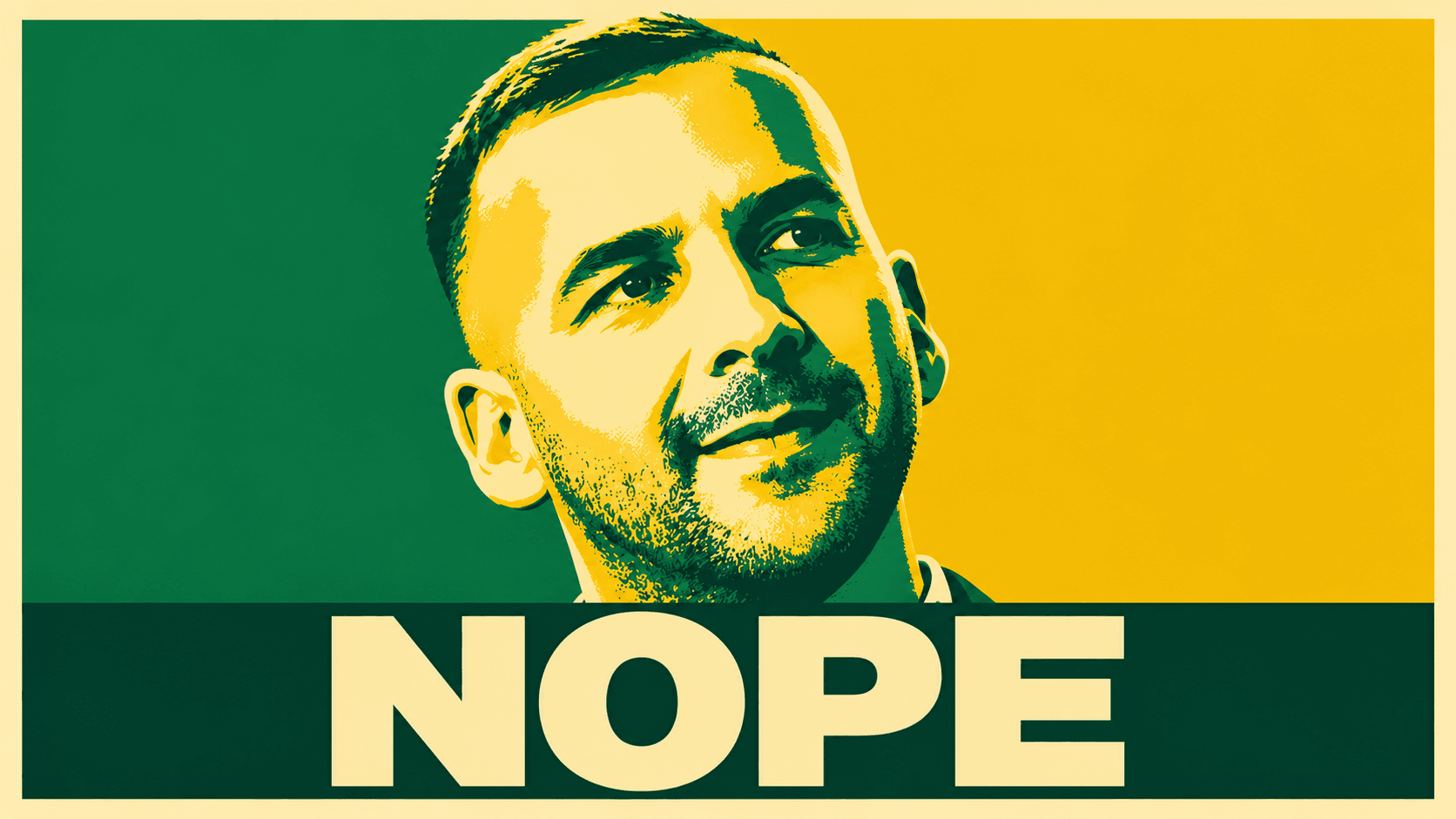
Get it wrong (with apologies for referencing Mr Polanski in my meme, as I don’t mean it personally) and HOPE quickly becomes NOPE.
That’s true of any campaign: whether the aim is changing policy, selling products, raising funding, attracting partners or otherwise.
Please drop me a line if you have a comms challenge you’d like to discuss, or book a call.
Keep reading
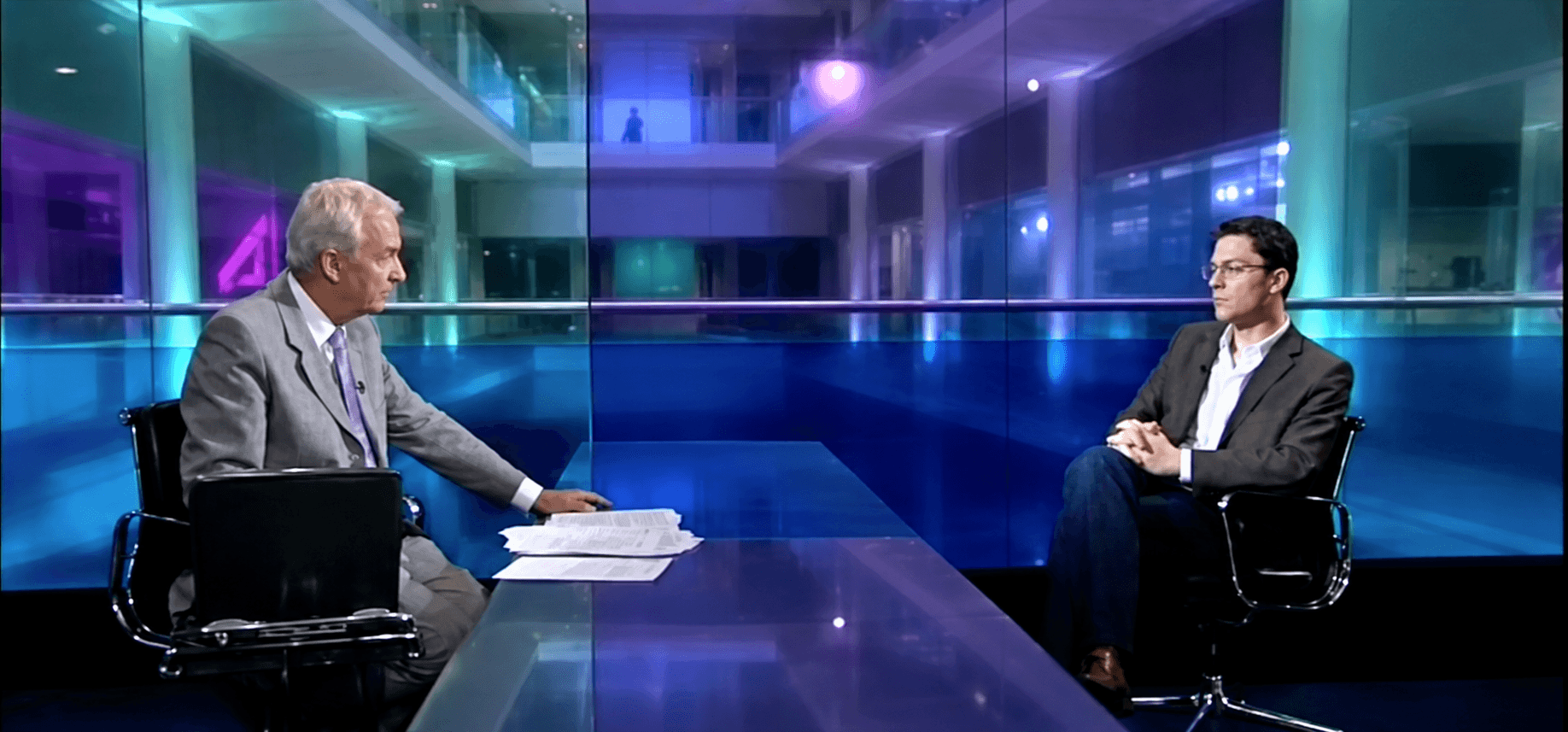
Five lessons from an accountability interview on Channel 4 News in 2007, and why a dummy run with a…
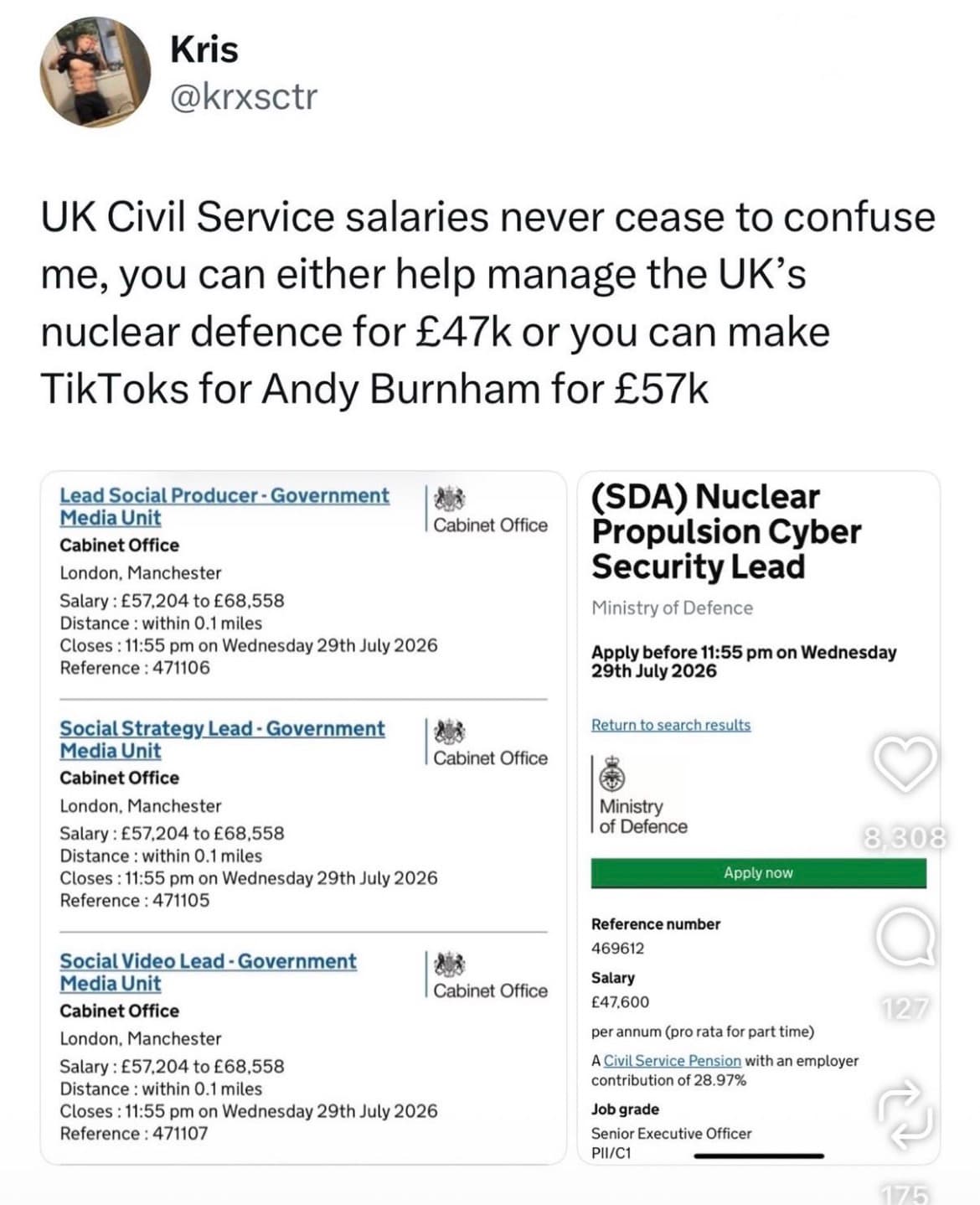
Why the fuss over a mid-salary job for the PM's social media team misses the point on PR's value.
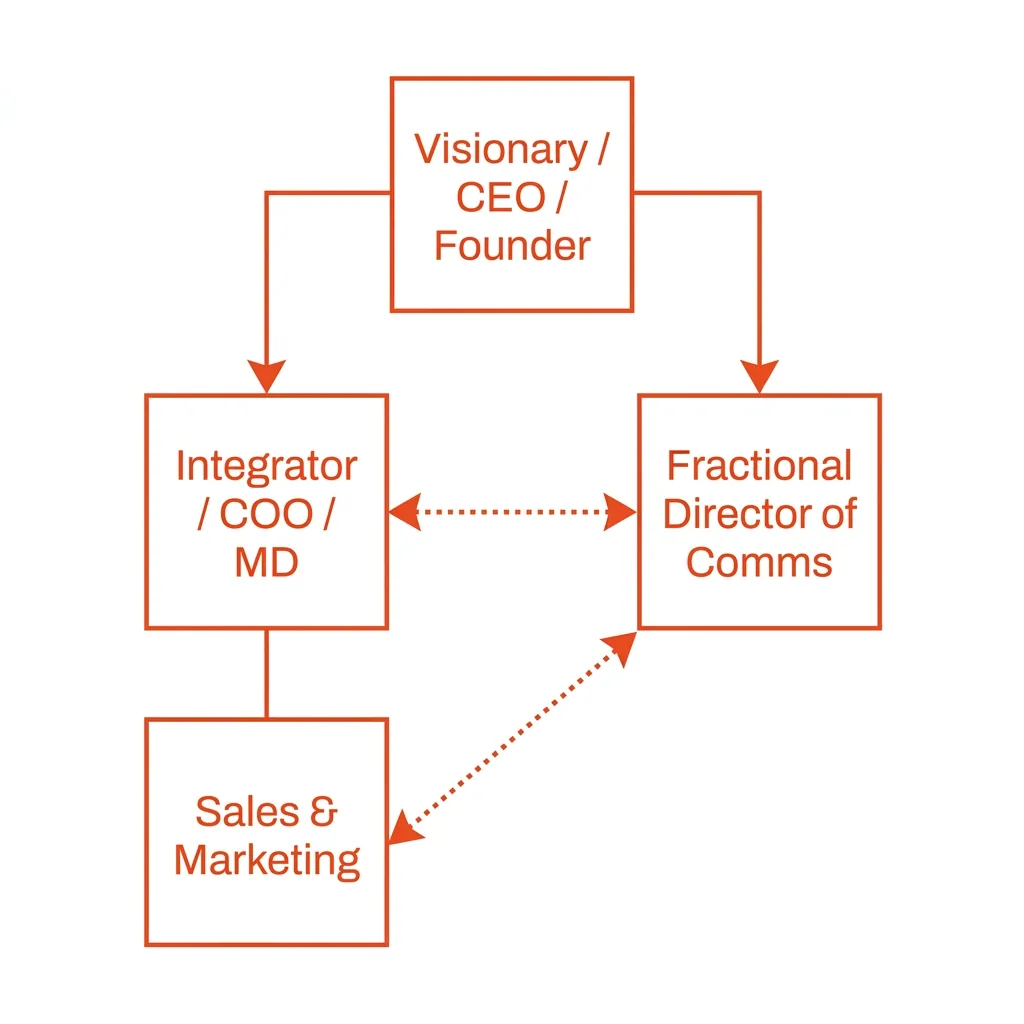
Consultant, agency, freelancer or fractional comms director? What’s the difference, and what PR…
The simplest way to find out whether we should work together is a short call. Tell me where you're trying to go, and I'll tell you how PR can get you there faster.