£57,204 to make TikToks for the Prime Minister. Too much, or nowhere near enough?
Why the fuss over a mid-salary job for the PM's social media team misses the point on PR's value.
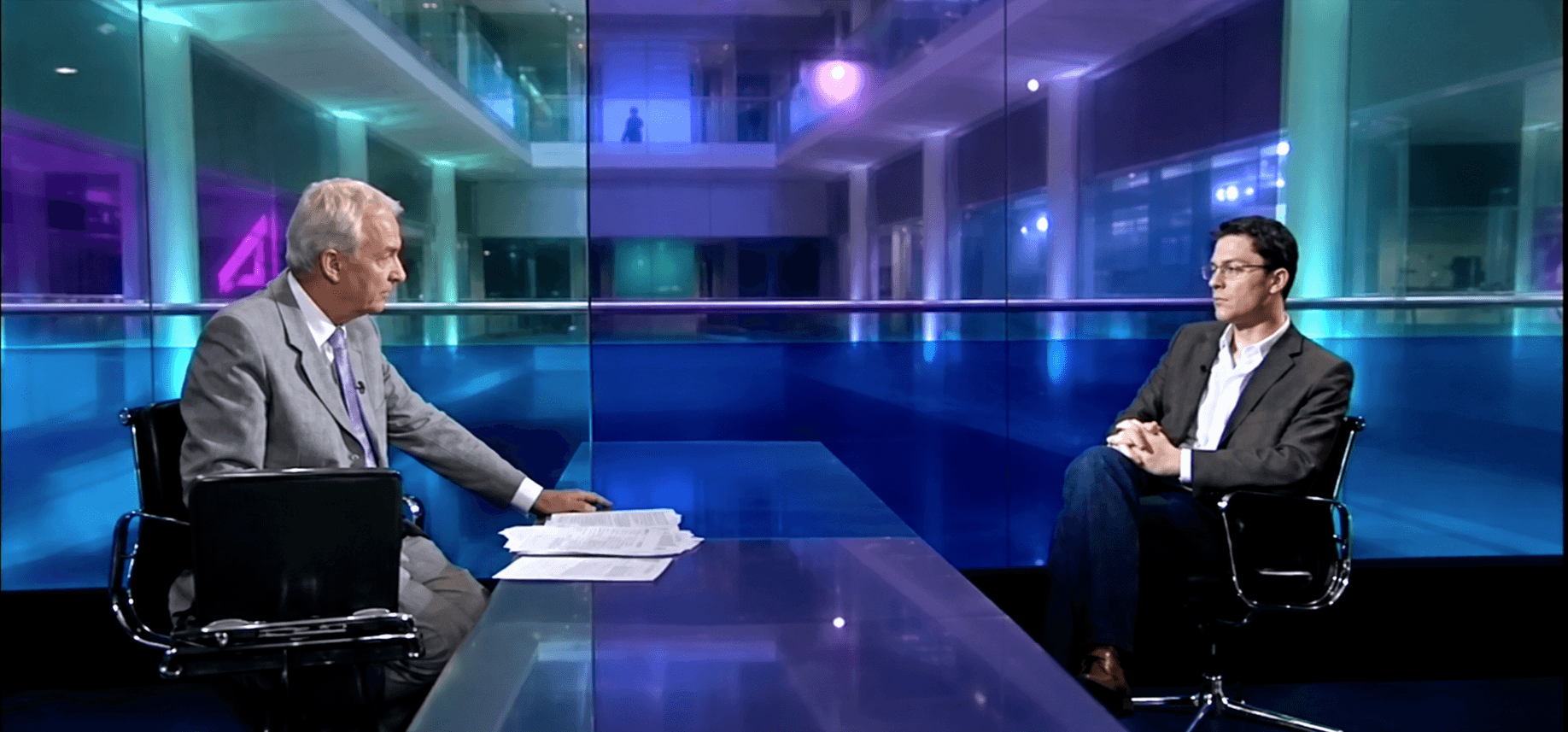
Jon Snow once asked me, live on Channel 4 News, whether it was really so bad to rip off record companies given "how rich they are".
That was 2007. I was the record industry's spokesperson at the BPI, and I'd been sent to the Channel 4 studio to explain why the industry had just won around £41m in damages against CD WOW, a budget website that had been illegally importing cut-price CDs in breach of a court undertaking (the judgment is summarised here by the Society for Computers and Law). The firm was shut down as a result.
To a lot of music fans, and to the person asking the questions, that looked like a big, rich, profiteering industry crushing a consumer champion. It was an accountability interview, and the framing was against me from the first question.
Thanks to the magic of AI I've recently restored a grainy screengrab of the moment, and looking at it again I realised it contains most of what I know about handling the media. Here are the four things I got right, the one I got away with, and why it matters even if you never expect to appear on the news.
Before I ever went near a studio, I'd been through media training, and the thing that stuck was uncomfortable: a large part of what an audience takes from you is not what comes out of your mouth. It's your face, your hands, your pace, your tone.
You'll have heard the "7 per cent words, 38 per cent tone, 55 per cent body language" statistic. That precise ratio is a misreading of the original research, as Big Think explains, but the finding underneath it is sound and it's the one that matters in a hostile interview: when your words and your delivery disagree, people believe the delivery.
So I went in with a deliberate part to play. Measured, reasonable, unhurried. Hands still, questions allowed to land before I answered. On a story that emotive, looking defensive would have lost the argument before I'd made it.
That's true on television, and it's just as true in a one-to-one meeting, a pitch to investors or a conversation with a customer. Television simply removes your ability to pretend otherwise.
I had a clear set of messages going in. That's table stakes. What made them usable was having three or four different ways of saying each one.
Repeat a line word for word, however good the line, and you sound like you're selling something. Journalists notice it, audiences notice it, and both switch off. Say the same idea in language that responds to the question you've actually been asked and you sound like a person.
A message is an idea you're trying to land, not a sentence you're trying to say.
Journalists and audiences fixate on numbers. £41m is a number. "Significant damages" is not.
Wherever you have a key message, attach a figure to it, and if there's no figure, attach a tangible, real-world example. Those are the things that survive the journey from you in the studio to what people remember and repeat afterwards. An argument with no number and no example is an opinion, and the interviewer already has plenty of those.
The ABC technique is the oldest trick in media training and this interview is where I learnt to use it properly. Acknowledge the question. Bridge from it. Then deliver your core message.
The mistake is skipping the A. Politicians do it constantly: asked one thing, they reply "I think the real issue here is…" and recite the line. It looks forced because it is. The journalist has set the terms of the conversation, and you have to engage on those terms, even if only for a sentence, before you've earned the right to move it somewhere else. Done well, the audience barely notices the turn. Done badly, they notice nothing else.
Here's the bit that didn't go to plan.
Jon's line of attack was, in essence: aren't record companies rich enough to absorb this, and aren't they overcharging for CDs anyway? It's not a strong argument, but it's a popular one, and I hadn't prepared a clean answer for it.
What arrived in the moment was an analogy. His programme costs far more to make than it does to broadcast. Same with a CD. The plastic is cheap; the music, the talent and the investment behind it are not.
It worked, just about. It also looked a bit fighty, and pointing at the presenter's salary on his own show is not something I'd recommend. Building an analogy on the fly in front of a live audience is a gamble, and I was lucky it landed.
The lesson isn't "don't use analogies". It's that I should have anticipated the question. Alongside your core messages, prepare for the four or five questions you least want, and work out a short, calm way of addressing each one well enough to move on to what you want to say. You'll rarely need all of them. You'll always need one.
Most of the leaders I work with will never sit opposite a Jon Snow. But every one of them has to convince investors, convert customers, hire people and hold a room. The same rules apply: your delivery has to match your words, your message has to survive being questioned, and you need a number or a real example for anything you want remembered.
Which is why I think media training is undersold. It's a confidence builder, certainly. More usefully, it's the best stress test your story will get. A dummy-run interview with a real journalist, or someone who can convincingly play one, tells you very quickly whether your message is credible, fluid and coherent when somebody pushes back on it. Journalists are the toughest audience you'll face, which is exactly why they're the most useful one to practise on.
If your story holds up with them, it will hold up with everyone else. If it doesn't, far better to find out in a rehearsal than with the cameras rolling.
I run these sessions for clients. If you'd like to give your story a proper stress test before it matters, drop me a line.
You can watch the interview here.
Keep reading
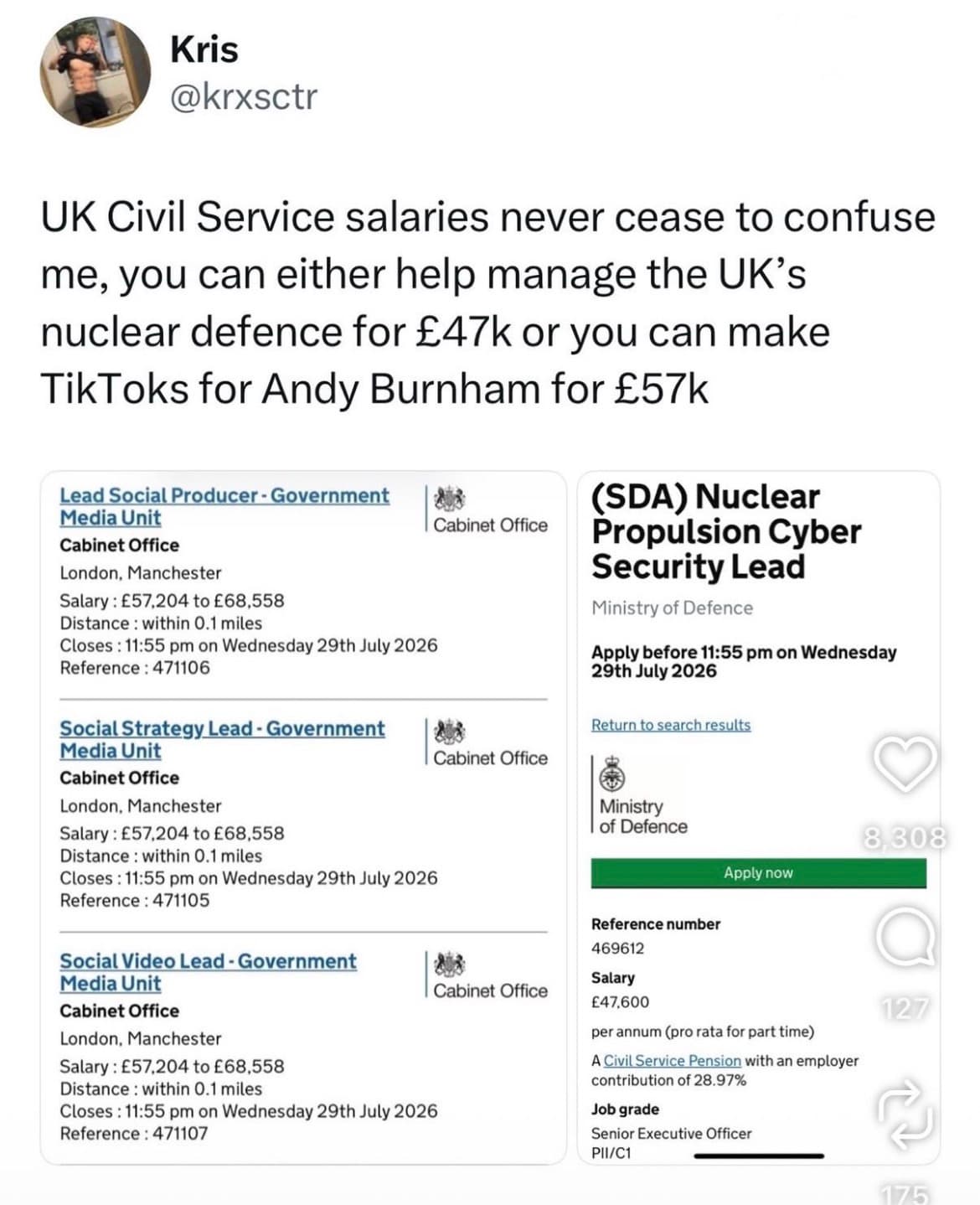
Why the fuss over a mid-salary job for the PM's social media team misses the point on PR's value.
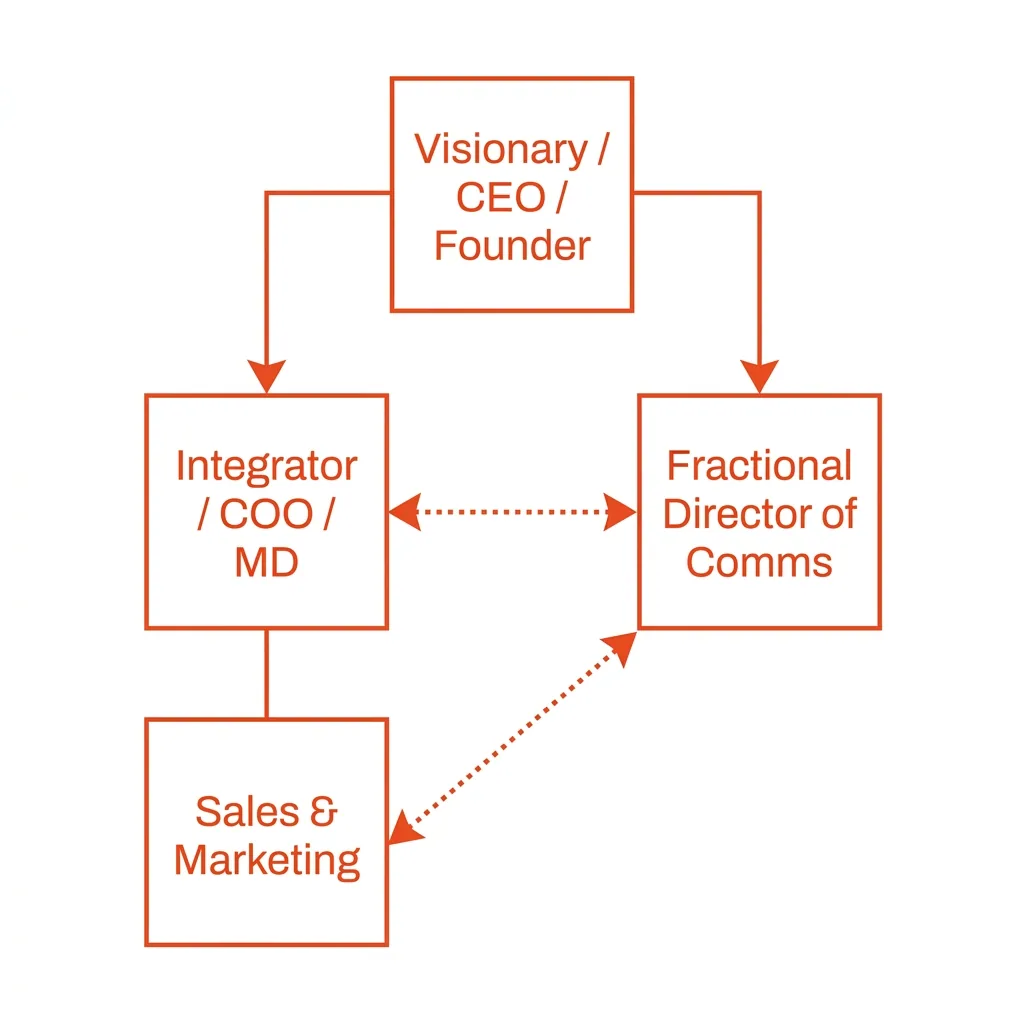
Consultant, agency, freelancer or fractional comms director? What’s the difference, and what PR…

I’m a new member of Pimlico Group, a consultant collective. I’ll advise marketers on how to manage…
The simplest way to find out whether we should work together is a short call. Tell me where you're trying to go, and I'll tell you how PR can get you there faster.